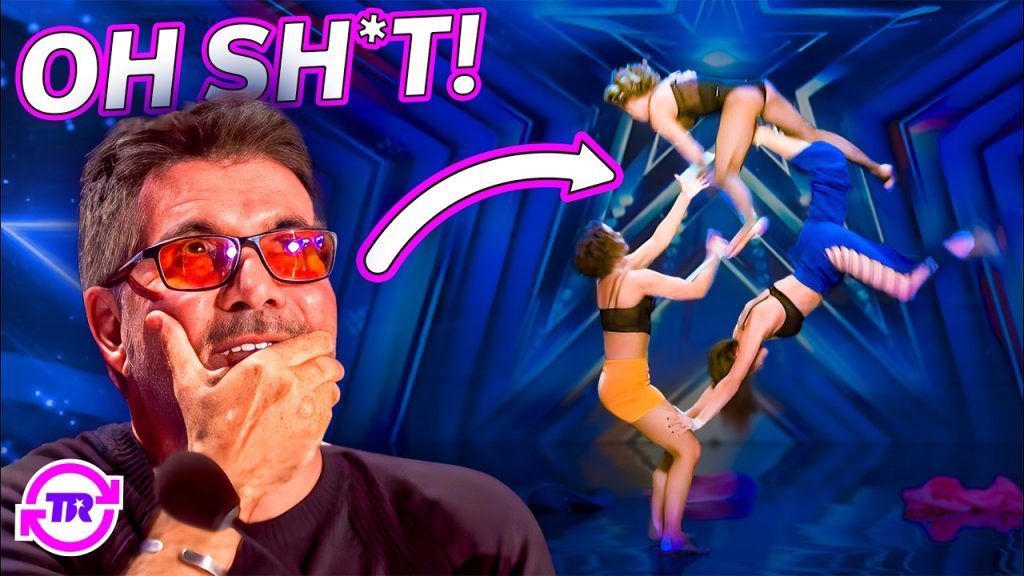
The spectacle of live danger acts—sword swallowing, thrill-seeking acrobatics, escapes, and knife throwing—relies on a delicate illusion: the audience sees imminent catastrophe, but the performer knows precisely how to avoid it. The entire thrill stems from the implicit promise of danger. However, when high-stakes stunts go wrong, the illusion shatters in an instant, exposing the brutal, unforgiving reality of physics, human error, and equipment failure.
The Fine Line Between Precision and Disaster
Every successful danger act relies on extreme muscle memory and split-second timing. The margin for error in traditional thrill performances is often measured in millimeters or fractions of a second. When a stunt goes wrong, it is rarely due to a lack of bravery; more often, it is caused by microscopic variables that escape human control.
A sudden gust of wind, a subtle equipment flaw, or a moment of physical fatigue can transform a masterpiece of coordination into a crisis. In fire-breathing, for example, a minor shift in wind direction can blow flammable vapor back toward the performer’s face, causing severe airway burns in a heart-beat. For sword swallowers, a slight misalignment of the neck or an unexpected esophageal spasm can cause internal lacerations, turning a classic illusion into a life-threatening medical emergency.
Famous Incidents and the Cost of Error
Throughout history, live broadcasting and stage performances have recorded terrifying instances of high-stakes failures:
-
Escapology: Legendarily pioneered by Harry Houdini, modern escape artists routinely push limits with water tanks and underground burials. Failures in these acts often stem from malfunctioning lock mechanisms or panic under oxygen deprivation, forcing support crews to intervene instantly to prevent drowning or suffocation.
-
Fire-Spinning and Pyrotechnics: Live stage pyro acts require strict safety protocols. A misplaced spark or miscalibrated chemical mix can instantly turn a choreographed show into a stage fire, risking both the performer and the crowd.
-
Aerial Acrobatics & High-Wire: Walking high cables without safety nets leaves zero room for miscalculation. A moment of dizziness or a failing cable snap transforms an ethereal performance into a catastrophic fall, highlighting why modern production standards mandate rigorous stress-testing of hardware.
+-------------------------------------------------------------------+
|                     THE ANATOMY OF A STUNT FAIL                   |
+-------------------------------------------------------------------+
|  [ Micro-Factor ]  --->  [ Equipment/Physical Failure ]           |
|  • Wind/Environment      • Cable Snaps / Lock Jams                |
|  • Fatigue/Nerves        • Miscalculated Angles                   |
|                                     │                             |
|                                     ▼                             |
|                    [ Immediate Crisis Response ]                  |
|                    • Rapid Medic Intervention                     |
|                    • Emergency Stage Protocols                    |
+-------------------------------------------------------------------+
The Psychology of Watching Things Go Wrong
Why are audiences so captivated when danger acts go awry? Psychologically, humans experience a powerful mix of fear and relief when witnessing high-risk events from a safe distance. Known as “benign masochism,” viewers enjoy the adrenaline spike of perceived danger because they know they are not personally in harm’s way.
However, when a performance genuinely fails, that psychological safety net breaks down. The mood in an arena instantly shifts from excitement to horror as the audience recognizes that real human life is on the line.
Evolution of Modern Safety Protocols
Historically, danger acts operated with minimal oversight, relying entirely on the performer’s individual grit. Today, high-profile thrill acts—such as those on televised talent competitions or in major touring circuses—implement strict safety redundant systems:
-
Secondary Rescues: Escape acts routinely employ concealed safety releases or automatic override timers.
-
On-Stage Paramedics: High-risk shows keep trauma-trained medical crews stationed mere feet off-stage.
-
Materials Engineering: Modern stunt props use specialized aerospace alloys and flame-resistant materials to reduce mechanical failure points.
Ultimately, when danger acts go wrong, they serve as a stark reminder that true danger cannot be completely rehearsed away. The ultimate appeal of these performances lies in their authenticity; without the very real potential for failure, the spectacle would lose its magic.